What Is the Difference Between Virgin and Recycled HDPE?
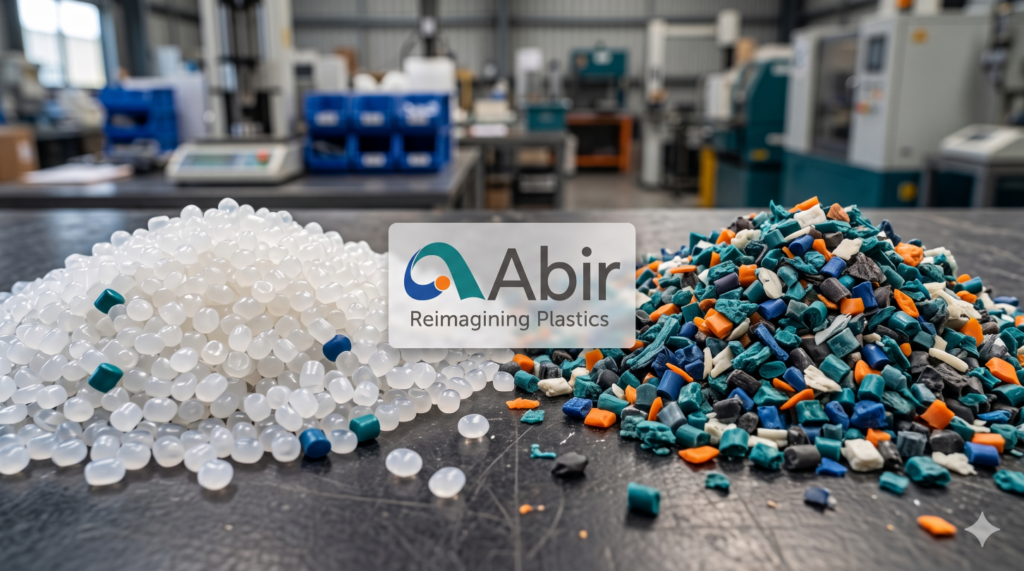
Virgin HDPE is manufactured from new polymer feedstock, while recycled HDPE is produced by recovering and reprocessing previously used HDPE plastic. Both materials can be useful for manufacturing, but their properties, consistency and suitable applications may differ. Virgin HDPE is often preferred when a well-defined material specification or tighter consistency is required. Recycled HDPE may help reduce the demand for new plastic when its quality meets the product's requirements. The right choice depends on the application, processing method, required performance, documentation and budget.
Virgin HDPE vs Recycled HDPE
| Comparison factor | Virgin HDPE | Recycled HDPE |
|---|---|---|
| Source | Made from new polymer feedstock | Made from recovered and reprocessed HDPE |
| Material consistency | Typically more predictable when supplied to a controlled specification | Can vary depending on the source, sorting and recycling process |
| Appearance | Often available in natural or specified colours | Colour and appearance depend on the recycled feedstock and processing |
| Technical properties | Usually supported by a defined manufacturer grade specification | Properties depend on feedstock quality, processing history and quality controls |
| Processing behaviour | Can be selected according to a specific processing grade | Should be tested or verified for compatibility with the intended process |
| Common applications | Packaging, moulded products, pipes and other applications, depending on grade | Crates, bins, selected containers and other applications where specifications permit |
| Quality verification | Grade identification and manufacturer technical data | Source information, batch consistency and relevant test results |
| Regulatory suitability | Must meet the requirements of the intended application | Must meet the same applicable requirements, with additional restrictions possible for recycled content |
Why Do Virgin and Recycled HDPE Perform Differently?
Virgin and recycled HDPE share the same basic polymer family, but the material's history can affect how it performs during manufacturing and in the finished product.
Virgin HDPE starts with new polymer feedstock. Recycled HDPE has already been used or processed and then recovered for reuse. Its final properties depend on the original material, collection and sorting methods, contamination control and recycling process.
Understanding these differences helps buyers make a practical decision based on product requirements rather than price alone.
• Material consistency
Virgin HDPE supplied to a defined grade specification often offers predictable properties from batch to batch. Recycled HDPE can also be consistent when it comes from a well-controlled recycling process, but the quality of the feedstock and production controls matters.
• Strength and durability
The strength and durability of either material depend on the grade and formulation. Recycled material may have properties that differ from the original polymer because of its previous use, heat exposure, contamination or processing history. Relevant testing is important when performance requirements are demanding.
• Colour and appearance
Virgin HDPE may be available in natural or specified colours. Recycled HDPE can have a wider variation in colour and appearance, particularly when different sources are combined. Colour requirements should be discussed before ordering.
• Processing behaviour :
Melt flow characteristics and other processing properties influence how HDPE behaves during manufacturing. Recycled material may show greater variation if the feedstock or recycling process is not tightly controlled. The material should be suitable for the intended equipment and manufacturing method.
• Cost and resource use :
Recycled HDPE can sometimes be a cost-effective option and can reduce reliance on new polymer feedstock. However, actual cost depends on material quality, processing requirements, availability, transport and the specifications required.
The key is to compare the materials against the same application requirements. A lower purchase price does not necessarily mean a lower overall production cost if the material causes processing problems or inconsistent finished products.
For more guidance, read our related articles on HDPE grade selection and HDPE applications.
When Should You Choose Virgin or Recycled HDPE?
1: Choose virgin HDPE when a defined specification is important
Virgin HDPE may be a suitable option when the application requires predictable material properties, a clearly identified manufacturer grade or tighter control over production consistency.
The specific grade must still meet the required performance and compliance standards.
2: Consider recycled HDPE for suitable general-purpose products
3: Review mechanical requirements
If the finished product must withstand significant loads, repeated impacts or long-term stress, verify the properties required for the application. Do not assume recycled HDPE will perform identically to virgin material—or that all recycled material will perform the same way.
4: Check the manufacturing process
5: Confirm colour and finish
If the product requires a specific colour, surface appearance or consistent finish, ask for a sample and confirm the available material options. Recycled HDPE may have more visible variation, depending on the feedstock and formulation.
6: Verify compliance requirements
Food-contact products, potable-water pipes, pressure-bearing applications and other regulated products may have specific material and certification requirements. Do not assume recycled HDPE is permitted or that virgin HDPE automatically meets the relevant standards. Verify the requirements for the exact application.
7: Compare the total cost
Compare the purchase price alongside processing performance, rejection rates, consistency, testing requirements and finished-product quality. A suitable material should meet the specification reliably, not simply offer the lowest price per kilogram.
8: Ask for traceability and documentation
Request the grade identification, technical data sheet, relevant test results and batch information. For recycled HDPE, also ask about the feedstock source, quality controls and any verified recycled-content documentation required by your business.
Frequently Asked Questions About Virgin and Recycled HDPE
Is virgin HDPE better than recycled HDPE?
Not in every situation. Virgin HDPE often provides predictable properties when supplied to a controlled specification, while recycled HDPE can be suitable for many products when its quality meets the required standards. The better choice depends on the application and performance requirements.
Is recycled HDPE strong enough for manufacturing?
Yes, recycled HDPE can be suitable for many manufacturing applications. Its suitability depends on the feedstock, recycling process, grade properties and quality controls. Check the relevant specifications before using it in products with demanding performance requirements.
Can recycled HDPE be used in injection moulding?
Yes, certain recycled HDPE grades can be used in injection moulding. The material must have suitable processing characteristics and provide the required finished-product properties. Trial runs or sample testing may be appropriate for critical applications.
Can recycled HDPE be used for pipes?
Some recycled polyethylene materials may be permitted in particular pipe applications, depending on the product type, applicable standards and local regulations. Pressure-bearing and potable-water applications have specific requirements. Confirm that the exact material is approved for the intended use before purchasing.
Does recycled HDPE have a different melt flow rate?
It can. Melt flow rate depends on the polymer's characteristics and processing history, so recycled HDPE may differ from its original material. Check the technical data and test conditions, and confirm that the material suits the intended manufacturing process.
Is recycled HDPE always cheaper than virgin HDPE?
No. Pricing varies with quality, colour, source, availability, processing requirements and order quantity. Compare the complete cost of using the material rather than relying only on its price per kilogram.
How can I check the quality of recycled HDPE?
Request a technical data sheet, grade or batch identification, relevant test results and information about the recycling process. Depending on the application, you may also need to verify contamination levels, mechanical properties, melt flow rate and consistency between batches.
Which information should I provide when sourcing HDPE?
Share the intended product, manufacturing process, required properties, virgin or recycled preference, approximate quantity and delivery destination. If you have an existing grade code or technical specification, include it to help narrow down suitable options
VIRGIN & RECYCLED HDPE SOURCING
Looking for the Right HDPE Material for Your Application?
Tell us about your product, manufacturing process, required specifications and preference for virgin or recycled HDPE. Abiroverseas can help you identify the material requirements to discuss and the grade details to verify with your supplier before ordering.