Understanding EVA Grades
EVA stands for Ethylene Vinyl Acetate, a copolymer made from ethylene and vinyl acetate (VA). Different EVA grades can offer different levels of flexibility, softness,…
Read this guide
Find straight answers, material comparisons, processing guidance and FAQs. Choose a material or topic to narrow the library.
Start with a product type such as HDPE, then narrow by comparisons, FAQs, grades or applications. Search by article or material name at any time.
7 resources
EVA stands for Ethylene Vinyl Acetate, a copolymer made from ethylene and vinyl acetate (VA). Different EVA grades can offer different levels of flexibility, softness,…
Read this guide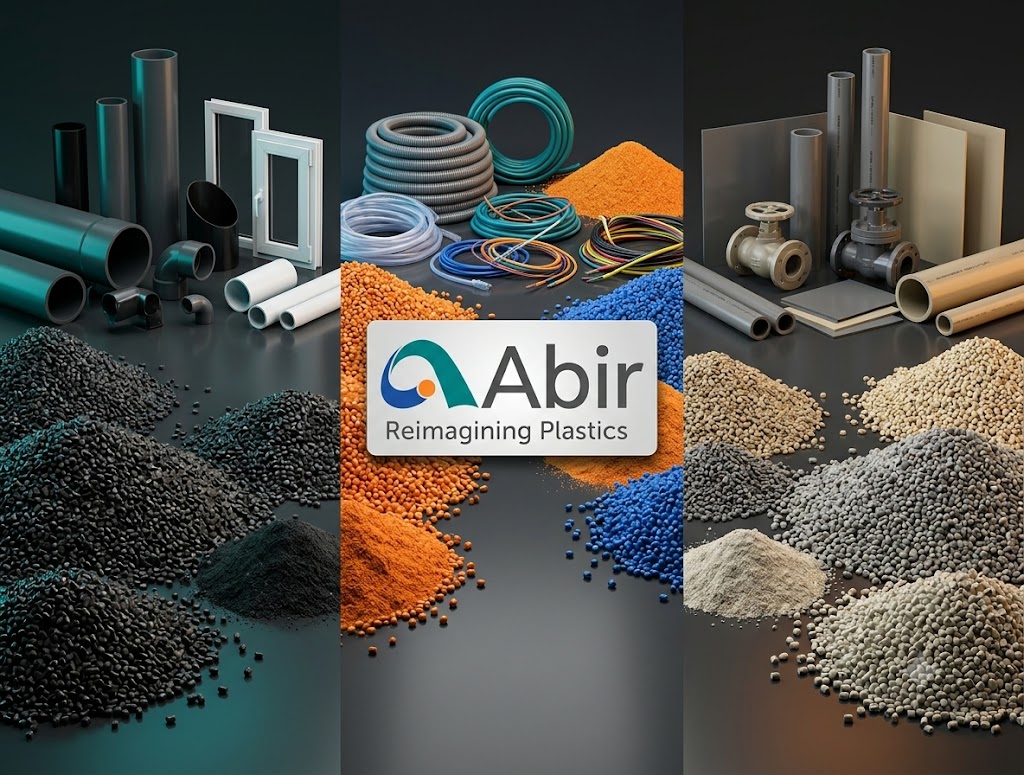
Polyvinyl Chloride (PVC) grades are different formulations of PVC material developed to meet specific manufacturing processes and end-use requirements. PVC is available in rigid and…
Read this guide
Polypropylene (PP) grades are different formulations of polypropylene resin developed for specific processing methods and end-use requirements. These grades can vary in melt flow rate,…
Read this guide
Low-Density Polyethylene (LDPE) grades are different formulations of LDPE resin designed to meet specific processing requirements and end-use applications. Although these grades share the flexibility…
Read this guide
ABS stands for acrylonitrile butadiene styrene. It is an engineering thermoplastic commonly used where a combination of impact performance, rigidity, surface finish, and processability is…
Read this guide
EVA stands for ethylene-vinyl acetate, a copolymer used in applications that require a combination of flexibility, toughness, softness, and processing performance. Different EVA grades can…
Read this guide
Learn how to choose the right HDPE (High-Density Polyethylene) grade by matching the material to your product, manufacturing process, strength requirements, melt flow rate, density,…
Read this guide