Understanding LDPE Grades
Low-Density Polyethylene (LDPE) grades are different formulations of LDPE resin designed to meet specific processing requirements and end-use applications. Although these grades share the flexibility…
Read this guide
Find straight answers, material comparisons, processing guidance and FAQs. Choose a material or topic to narrow the library.
Start with a product type such as HDPE, then narrow by comparisons, FAQs, grades or applications. Search by article or material name at any time.
7 resources
Low-Density Polyethylene (LDPE) grades are different formulations of LDPE resin designed to meet specific processing requirements and end-use applications. Although these grades share the flexibility…
Read this guide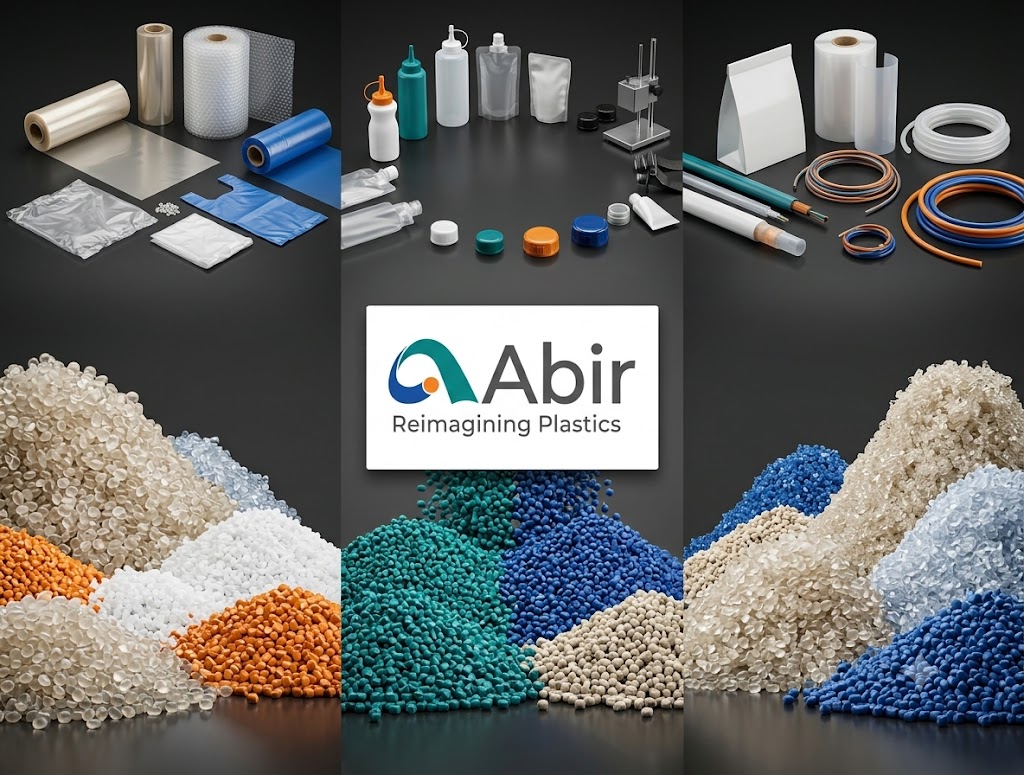
LDPE grades differ in molecular structure, molecular weight distribution, additives and melt flow characteristics. These differences influence how the resin behaves during processing and how…
Read this guide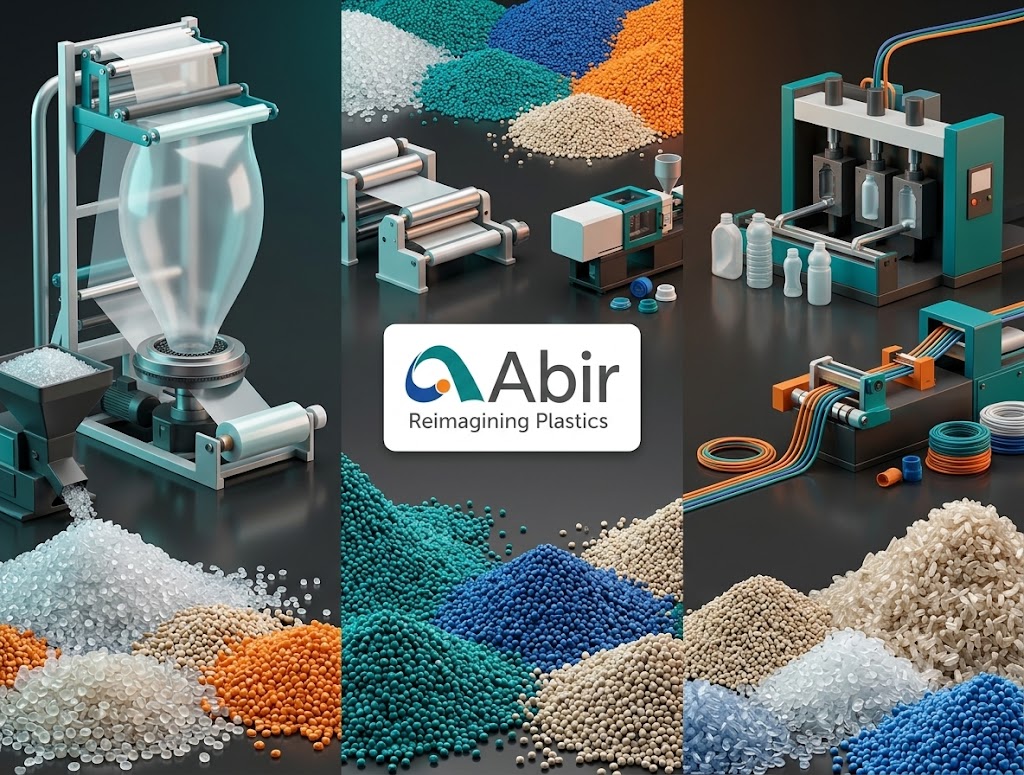
Low-Density Polyethylene (LDPE) is a thermoplastic material processed into flexible films, packaging products, bottles, tubing and selected moulded components. Common processing methods include blown-film extrusion,…
Read this guide
Low-Density Polyethylene (LDPE) is a flexible, lightweight thermoplastic used in applications requiring moisture resistance, flexibility, electrical insulation and easy processing. Common LDPE applications include packaging…
Read this guide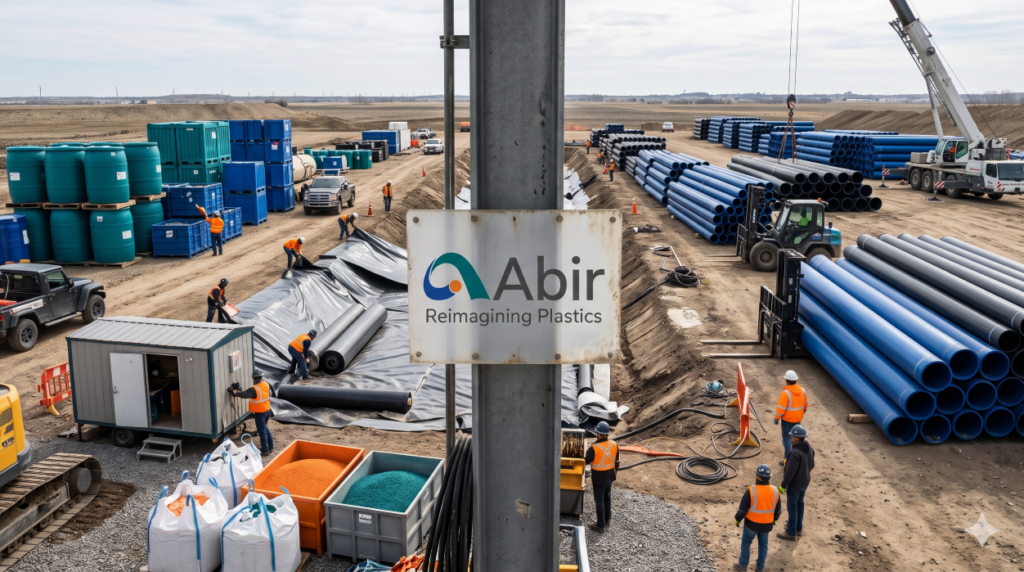
The right polymer depends on what the finished product must do, how it will be manufactured and the conditions it will face during use. Buyers…
Read this guide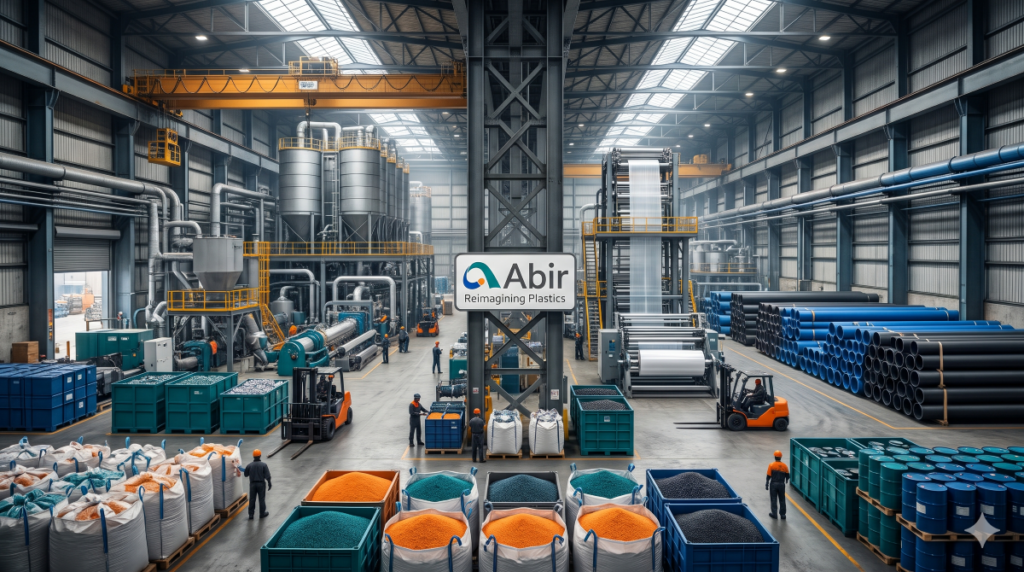
Choosing a suitable plastic material depends on the conversion process, the finished product, and the grade's processing and performance properties. Injection moulding, blow moulding, extrusion,…
Read this guide
HDPE and LDPE both belong to the polyethylene family, but their molecular structures differ. HDPE has less branching and generally offers greater rigidity and strength.…
Read this guide