Prime / Virgin HDPE
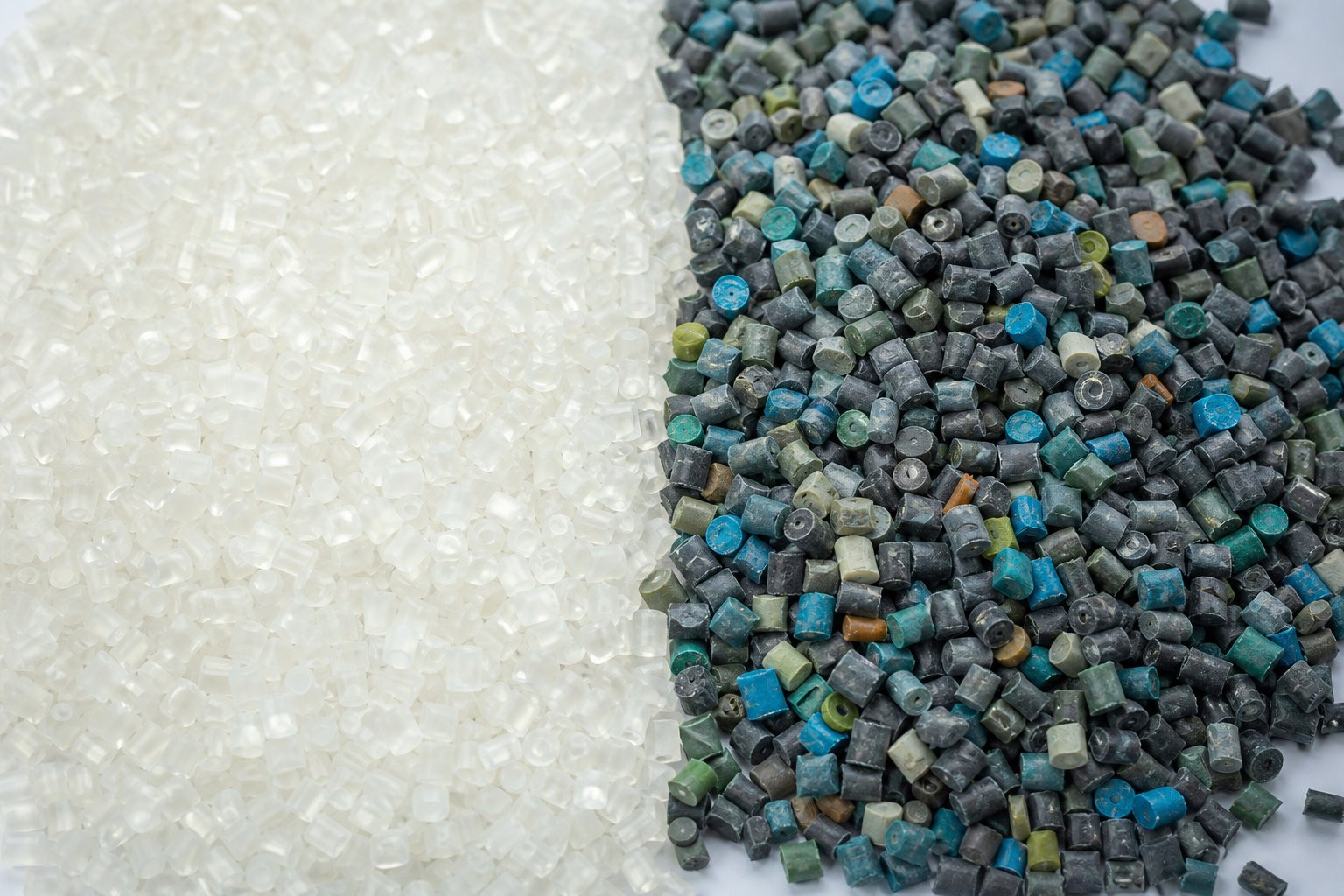
Fresh HDPE resin selected by manufacturer grade, datasheet and documented properties. Prime is not the same as near-virgin or recycled material.
Explore prime / virgin HDPEHDPE stands for High-Density Polyethylene. It is a durable thermoplastic valued for stiffness, strength, and chemical resistance. HDPE is widely used in pipes, containers, packaging, crates, and industrial products across many sectors.
Explore prime / virgin, off-grade, recycled and scrap / regrind HDPE on separate supply-type pages. Match source, specification and form to your application, and confirm availability per enquiry.
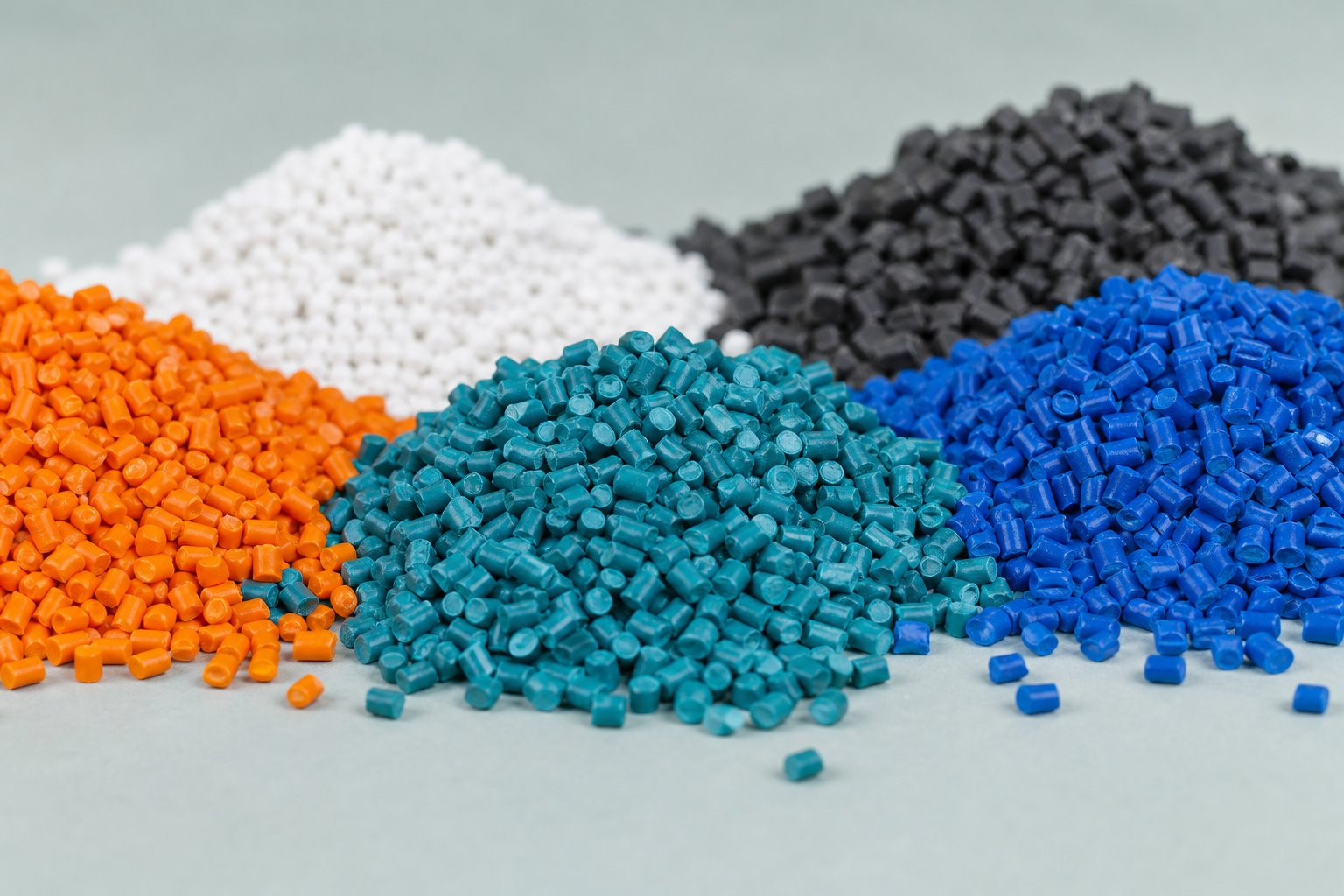
Choose a supply type to read its own material guide, selection checks and enquiry details. These links open separate pages.
Fresh HDPE resin selected by manufacturer grade, datasheet and documented properties. Prime is not the same as near-virgin or recycled material.
Explore prime / virgin HDPEHDPE supplied outside its original prime specification or as a declared off-grade lot. Review the actual deviation and batch results before deciding suitability.
Explore off-grade HDPERecovered HDPE reprocessed for further use. Source, segregation and lot consistency matter as much as the polymer name.
Explore recycled HDPESorted HDPE scrap or mechanically reduced regrind for an agreed recovery or conversion process. Feedstock is not automatically equivalent to ready-to-use resin.
Explore scrap / regrind HDPECompared with LDPE, HDPE has less molecular branching. This allows closer molecular packing and generally contributes to greater rigidity and strength. Actual performance depends on the specific grade, formulation, and processing conditions.
HDPE is generally associated with strength, rigidity, durability, and chemical resistance. Material options for this page are reprocessed or recycled HDPE; verify the specific source, grade, documentation, and availability for each requirement.
What should I consider?Material options: reprocessed or recycled. Publish source, grade, form, documentation, pack size, minimum order quantity and availability only after verification.
The correct HDPE grade should be selected according to the manufacturing process, intended application, and required product performance. Availability and grade details must be verified for each enquiry.
Use these prompts to describe the requirement. They are process examples, not a confirmed grade or stock list.
Typical uses: Molded products and components.
Specify: Application,
grade, melt flow
requirement, color, and quantity.
Typical uses: Bottles, containers, canisters, and industrial
packaging.
Specify:
Container type, grade, performance requirements, color, and quantity.
Typical uses: Pipes, profiles, sheets, and other extruded
products.
Specify:
Application, grade or specification, and performance requirements.
Typical uses: Selected film applications.
Specify: Application,
grade, processing
requirement, thickness, and quantity.
Tell us how the material will be converted and what the finished product needs to do.
Melt flow information supports grade comparison and process selection. Compare values only when test conditions and grade documentation are clear; MFI is one input, not a complete performance measure.
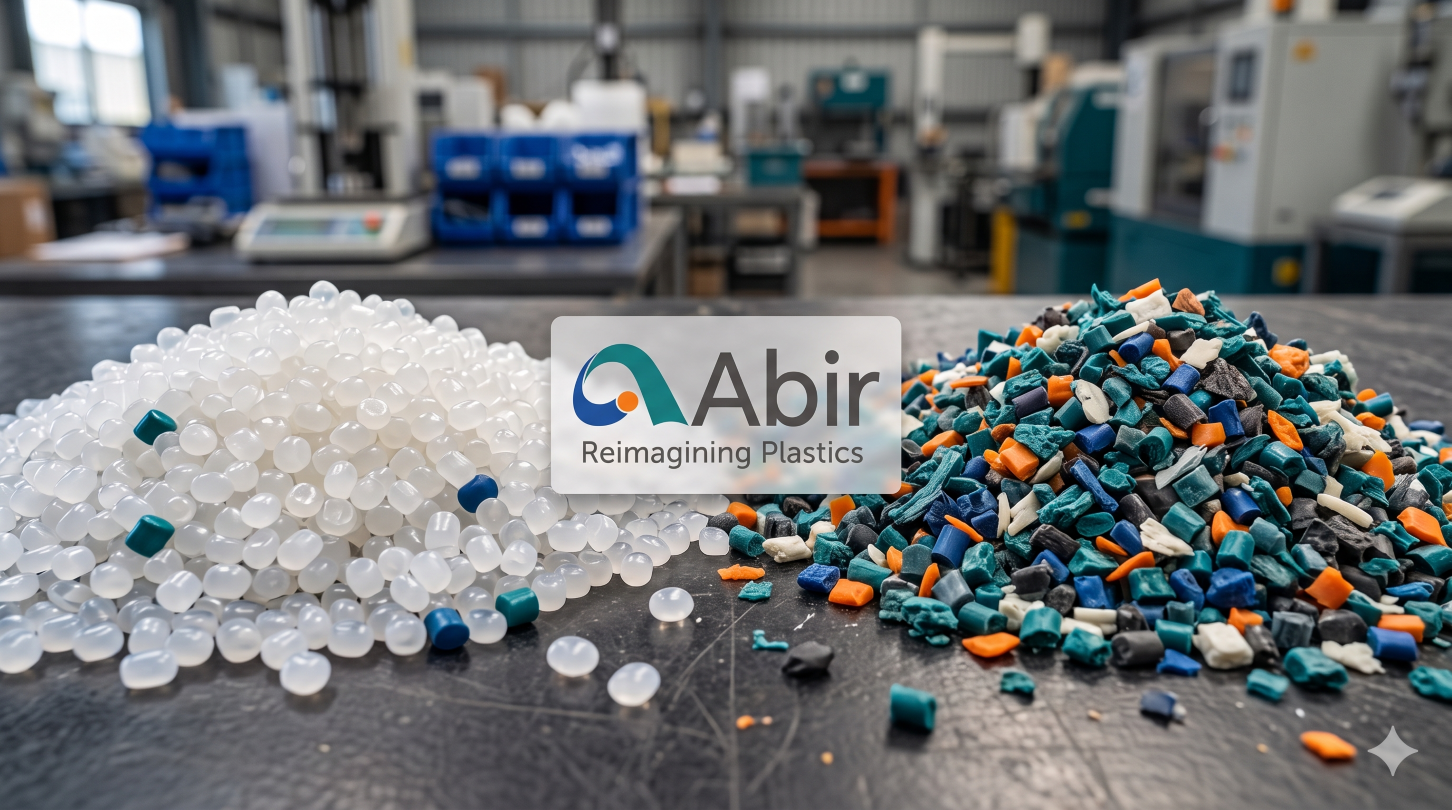
Available forms may include granules, powder, and compounds. Verify the product, source, form, grade or specification, processing method, application, documentation, pack size, minimum order quantity, and availability before publication or purchase.
Reprocessed or recycled HDPE in granule form may be considered where a suitable specification and current supply are confirmed.
Powder may suit selected applications and processes. Confirm particle specification, handling needs, and availability.
Share the intended application, base material, colour or property targets, and any required documentation.
Forms shown are potential forms only, not a confirmation of current inventory or availability.
Provide the available technical and commercial details so the product team can review your requirement efficiently. Share the application, processing method, grade or specification, required form, quantity, pack size, destination, and required documents.
HDPE is commonly used in packaging, containers, pipes, profiles, and industrial products. Suitability depends on the grade and application.
Bottles, containers, pails, and industrial packaging. Specify the container type, process and performance requirements.
Pipes, profiles, sheets, and related extruded products. Share the application and grade or specification.
Molded components, containers, and other products where grade suitability is confirmed.
HDPE may be specified in several manufacturing sectors. These industry contexts are illustrative and are not a verified customer list or market-footprint claim.
Discuss your applicationMaterial selection should always be based on the intended application and the technical specification of the individual grade. For an accurate material enquiry, provide:
Use the conversation to make the product brief clearer. Support topics below describe useful enquiry areas; confirm the services and documentation available for your specific request.
Start an HDPE enquiryAlign the grade name, property targets and relevant documents.
Frame the process and end-use questions that affect material choice.
Share indicative volume and timing so commercial terms can be reviewed.
Confirm the requested form, packaging and delivery requirements.
No testing, engineering approval or certification service is implied. Specific support and documentation are confirmed case by case.
Send the grade or specification, processing method, application, quantity, and destination. Upload a technical datasheet where available.
Answers are general guidance. Verify the individual grade, source and documentation for each requirement.
HDPE stands for High-Density Polyethylene. It is a polyethylene thermoplastic generally associated with strength, rigidity, durability, and chemical resistance.
Both belong to the polyethylene family. HDPE has less branching and generally offers greater rigidity and strength; LDPE has more branching and is generally softer and more flexible. Actual performance depends on the specific grade, formulation, processing conditions, and end use.
HDPE is commonly used in rigid packaging, containers, pipes, profiles, and industrial products. Suitability depends on the grade and application.
HDPE grades are used for injection molding, blow molding, and extrusion; selected film processes may also be relevant. The grade must match the manufacturing process and required performance.
Virgin HDPE uses primary resin, while recycled HDPE uses recovered feedstock. Compare the actual grade specifications, source, documentation and application requirements before selection.
Replacement should be evaluated by grade and application. Review the source, specification, processing behaviour, regulatory requirements and finished-product performance before approval.
Forms may include granules, powder, and compounds. This is not a live stock list: confirm the specific product, source, grade, documentation, pack size, minimum order quantity and current availability.
Start with the application and manufacturing process, then evaluate the grade, technical properties, reprocessed or recycled requirement, documentation and commercial requirements. Attach the current technical datasheet or target specification if available.
Melt Flow Index is a test result used to describe polymer melt flow under specified conditions. Compare values only when test conditions and grade documentation are clear; it is one input to grade and process selection, not a complete performance measure.
PCR refers to post-consumer recycled material and PIR to post-industrial recycled material. Use either classification only when the material source has been verified and documentation supports the description.
If available, attach the current technical datasheet or target specification. List any required source, technical or compliance documents so they can be checked for the specific material.
Availability, pack size and minimum order quantity depend on the verified product and current supply. Include your required form, quantity, destination and timing in an enquiry so those details can be reviewed.
No. General characteristics are not guaranteed grade data. Use a current manufacturer datasheet and appropriate technical review for numerical properties and suitability.
Explore practical guidance on HDPE grades, processing methods, applications, recycling, material comparisons, and buyer selection. Use these resources to understand the technical and commercial information needed for a more accurate material enquiry.