Prime / Virgin ABS
Fresh ABS resin selected by manufacturer grade, datasheet and documented properties. Prime is not the same as near-virgin or recycled material.
Explore prime / virgin ABSABS stands for Acrylonitrile Butadiene Styrene. It is an engineering thermoplastic valued for impact resistance, rigidity, and dimensional stability. ABS is widely used in automotive components, electronic housings, appliances, and molded consumer products.
Explore prime / virgin, off-grade, recycled and scrap / regrind ABS on separate supply-type pages. Match source, specification and form to your application, and confirm availability per enquiry.
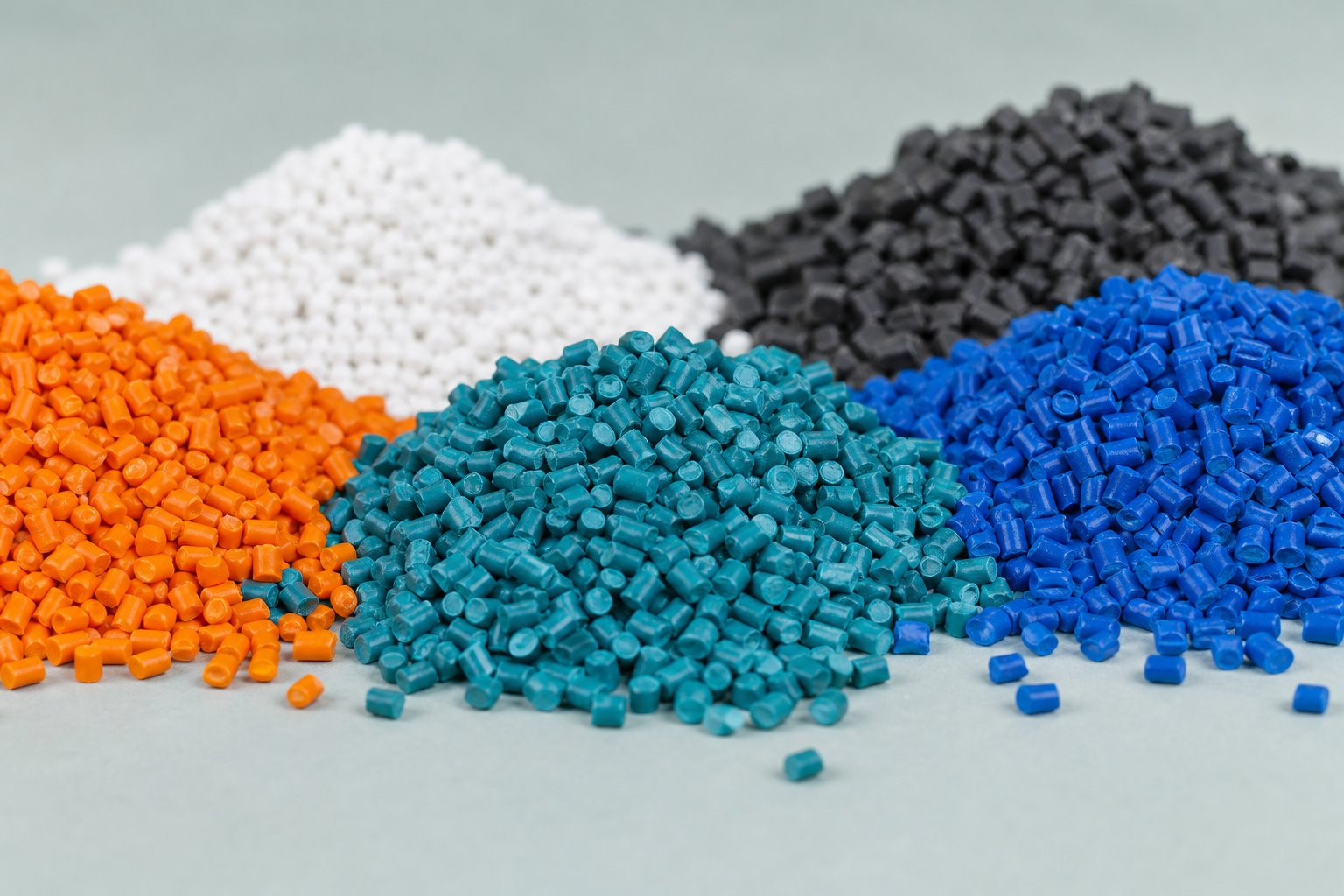
Choose a supply type to read its own material guide, selection checks and enquiry details. These links open separate pages.
Fresh ABS resin selected by manufacturer grade, datasheet and documented properties. Prime is not the same as near-virgin or recycled material.
Explore prime / virgin ABSABS supplied outside its original prime specification or as a declared off-grade lot. Review the actual deviation and batch results before deciding suitability.
Explore off-grade ABSRecovered ABS reprocessed for further use. Source, segregation and lot consistency matter as much as the polymer name.
Explore recycled ABSSorted ABS scrap or mechanically reduced regrind for an agreed recovery or conversion process. Feedstock is not automatically equivalent to ready-to-use resin.
Explore scrap / regrind ABSABS stands for Acrylonitrile Butadiene Styrene. It is a thermoplastic polymer widely used in automotive, electronics, industrial, and consumer-product applications.
ABS is commonly associated with mechanical performance, impact strength, and surface finish. Material performance depends on the specific grade, formulation, processing method, and end-use requirements.
What should I consider?Typical applications: electronics housings, automotive components, and molded products. Grade selection is application and processing dependent — verify manufacturer documentation before approval.
ABS grade selection should be based on manufacturing requirements, application needs, and technical specifications.
Use these prompts to describe the requirement. They are grade category examples, not a confirmed grade or stock list.
Typical uses: Electronics housings, consumer products, and automotive
components.
Specify: Application, color, technical requirements, and
quantity.
Typical uses: Vehicle components, interior parts, and functional molded
products.
Specify: Performance requirements, environmental conditions,
and grade preference.
Typical uses: Equipment housings, electrical enclosures, and consumer
electronics.
Specify: Appearance requirements, surface finish
requirements, and technical specification.
Note: Grade suitability should be confirmed against the intended application
and technical documentation.
Specify: Intended application, performance
targets, and documentation.
Tell us how the material will be converted and what the finished product needs to do.
ABS properties vary with formulation, impact modifier content, and processing requirements. Compare values only when test conditions and grade documentation are clear; a single data point is one input, not a complete performance measure.
ABS products can be organized according to manufacturer, grade, processing method, color, application, technical specification, origin, packaging, and availability. Verify every attribute before publication or purchase.
Identify the original manufacturer where applicable and use exact commercial grade designations.
Specify injection molding or other manufacturing requirements, document color requirements where relevant, and define the product's intended use.
Review current manufacturer documentation, identify material origin where applicable, and specify packaging requirements.
Product categories shown are organizational references only, not a confirmation of current inventory or availability.
Provide the available technical and commercial details so the product team can review your requirement efficiently. Share the application, manufacturing process, grade, color, quantity, destination, and technical specifications.
ABS is commonly used in electronics housings, automotive components, consumer products, and molded products. Suitability depends on the grade and application.
ABS is widely associated with housings and enclosures used in electronics products. Specify the appearance, surface finish, and technical requirements.
Used in selected automotive parts and molded vehicle components. Share the application and grade or specification.
Commonly used in consumer goods requiring durability and appearance quality. Confirm grade suitability for the intended product.
Suitable for a wide range of injection-molded applications depending on grade selection. Provide processing and performance requirements.
ABS may be specified in several manufacturing sectors. These industry contexts are illustrative and are not a verified customer list or market-footprint claim.
Discuss your applicationMaterial selection should always be based on the intended application and the technical specifications of the individual grade. For an accurate material enquiry, provide:
Use the conversation to make the product brief clearer. Support topics below describe useful enquiry areas; confirm the services and documentation available for your specific request.
Start an ABS enquiryIdentify suitable ABS grades for the intended application.
Compare performance requirements against technical documentation.
Review manufacturing and processing requirements.
Discuss quantity, packaging, supply, and delivery requirements.
No testing, engineering approval or certification service is implied. Specific support and documentation are confirmed case by case.
Send the manufacturer, grade or specification, application, color, quantity, and destination. Upload a technical datasheet where available.
Answers are general guidance. Verify the individual grade, source and documentation for each requirement.
ABS stands for Acrylonitrile Butadiene Styrene and is a thermoplastic polymer.
ABS is commonly used in electronics housings, automotive parts, consumer products, and molded products.
ABS is commonly associated with mechanical performance, impact strength, and surface finish.
ABS is widely used in technical and engineering-related applications where impact performance and appearance are important.
Industries include electronics manufacturing, automotive manufacturing, consumer products, and industrial manufacturing.
ABS is widely associated with injection-molded products and components.
Grade selection should be based on manufacturing process, application requirements, and grade-level technical specifications.
Material properties can vary between grades, formulations, and manufacturers.
Application, processing method, color requirement, grade, quantity, destination, and technical specifications.
Availability, packaging options, and supply conditions should be verified for each individual product enquiry.
No. Grade selection should always be based on the intended application and technical requirements.
Where available, provide datasheets, technical specifications, performance requirements, and compliance needs.
Explore practical guidance on ABS grades, processing methods, applications, material properties, and buyer selection. Use these resources to understand the technical and commercial information needed for a more accurate material enquiry.
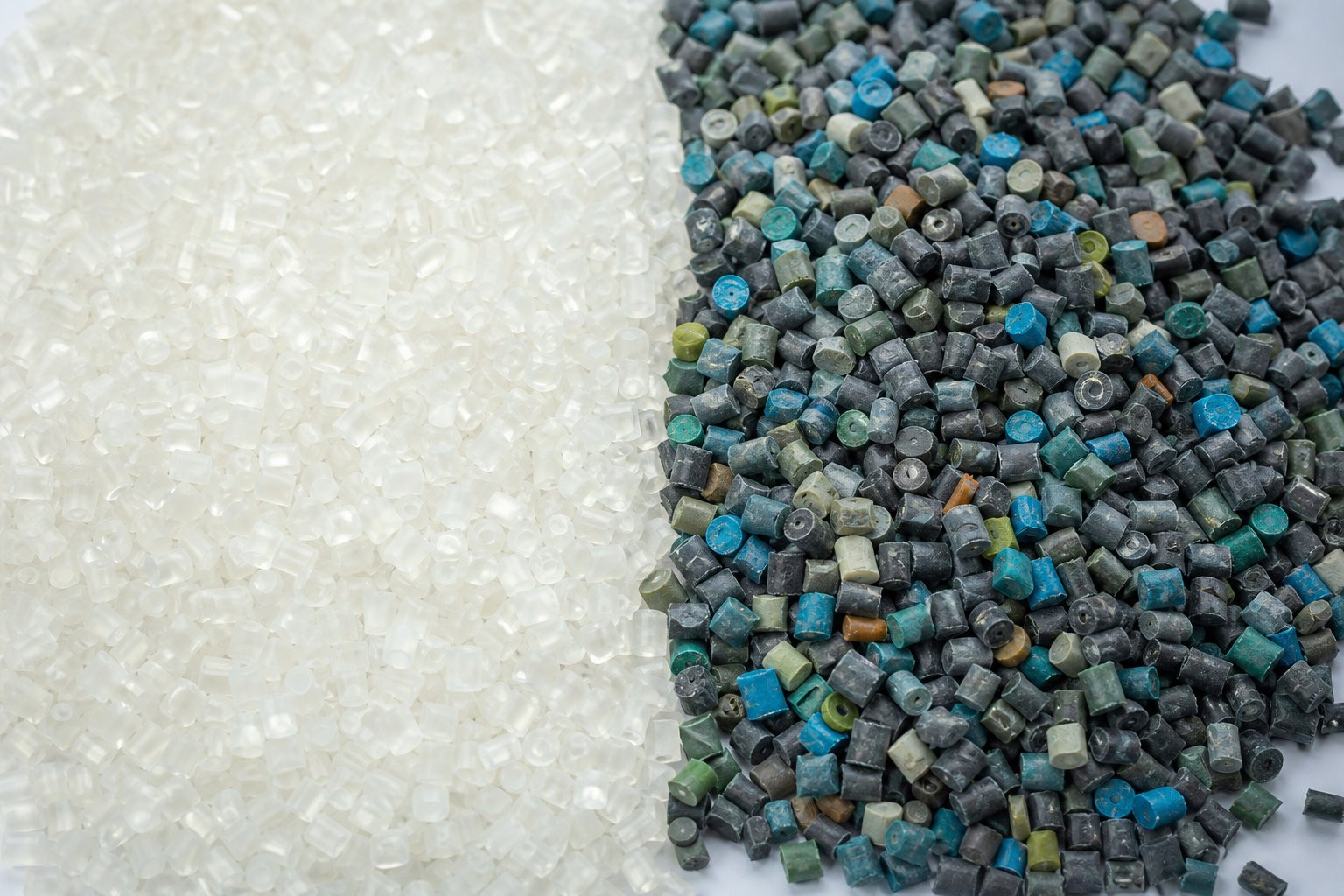
Each card opens its matching ABS Knowledge Center article when published. Until then, its link takes visitors to the Knowledge Center library.