Prime / Virgin PVC
Fresh PVC resin selected by manufacturer grade, datasheet and documented properties. Prime is not the same as near-virgin or recycled material.
Explore prime / virgin PVCPVC stands for Polyvinyl Chloride. It is a versatile thermoplastic valued for durability, chemical resistance, and adaptability in rigid or flexible forms. PVC is widely used in pipes, profiles, cable insulation, flooring, and industrial applications.
Explore prime / virgin, off-grade, recycled and scrap / regrind PVC on separate supply-type pages. Match source, specification and form to your application, and confirm availability per enquiry.
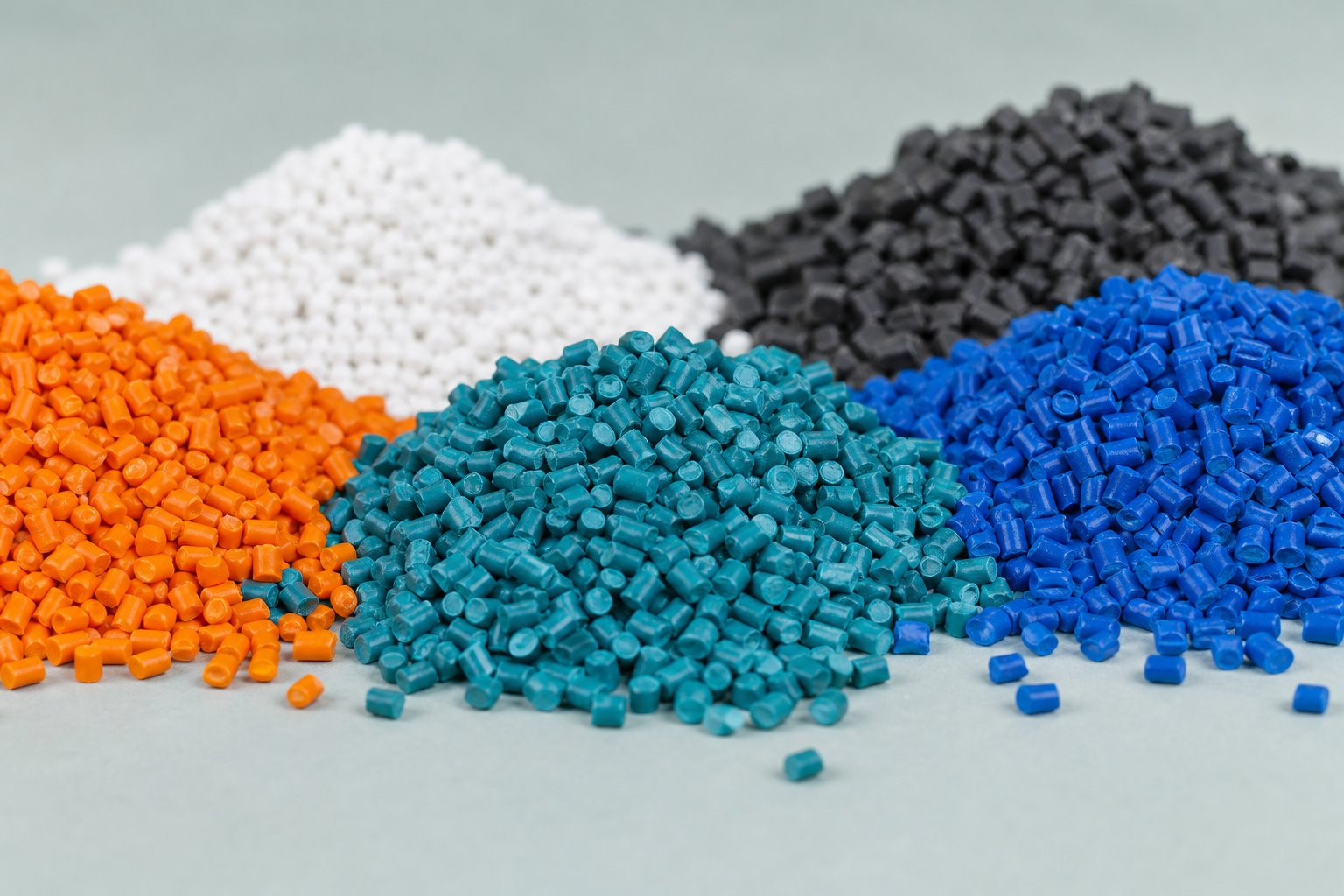
Choose a supply type to read its own material guide, selection checks and enquiry details. These links open separate pages.
Fresh PVC resin selected by manufacturer grade, datasheet and documented properties. Prime is not the same as near-virgin or recycled material.
Explore prime / virgin PVCPVC supplied outside its original prime specification or as a declared off-grade lot. Review the actual deviation and batch results before deciding suitability.
Explore off-grade PVCRecovered PVC reprocessed for further use. Source, segregation and lot consistency matter as much as the polymer name.
Explore recycled PVCSorted PVC scrap or mechanically reduced regrind for an agreed recovery or conversion process. Feedstock is not automatically equivalent to ready-to-use resin.
Explore scrap / regrind PVCPVC stands for Polyvinyl Chloride.
PVC is a thermoplastic widely used in construction, piping, electrical, cable, and industrial applications. It is commonly associated with durability, chemical resistance, mechanical strength, and electrical insulation.
PVC can be manufactured in rigid or flexible forms depending on formulation, processing requirements, and end-use applications. Material performance depends on the specific grade, compound formulation, processing method, and intended use.
What should I consider?Material options: reprocessed or recycled. Publish source, grade, form, documentation, pack size, minimum order quantity and availability only after verification.
The correct PVC material should be selected according to the manufacturing process, intended application, and performance requirements. Availability and grade details must be verified for each enquiry.
Use these prompts to describe the requirement. They are grade category examples, not a confirmed grade or stock list.
Typical uses: Pipes, profiles, window systems, construction products.
Specify: Application, technical requirements, dimensions, and quantity.
Typical uses: Cable insulation, flexible industrial products, flooring applications.
Specify: Flexibility requirements, end-use conditions, color, and quantity.
Typical uses: Application-specific products, electrical products, industrial components.
Specify: Compound requirements, performance targets, and compliance requirements.
Typical uses: Developed for particular end applications.
Specify: Product type, processing method, required characteristics, and technical specifications.
Tell us how the material will be converted and what the finished product needs to do.
PVC performance depends heavily on compound formulation and additives. Compare specifications only when compound documentation and grade details are clear; formulation is a key input to application suitability.
Available forms may include rigid PVC materials, flexible PVC materials, compounds, and application-specific grades. Verify the product, source, grade, specification, documentation, pack size, minimum order quantity, and availability before purchase or publication.
Used where structural strength and dimensional stability are required.
Used where flexibility and durability are required.
Formulations developed for specific applications and performance requirements.
Forms shown are potential forms only, not a confirmation of current inventory or availability.
Provide the available technical and commercial details so the product team can review your requirement efficiently. Share the application, required form, grade or compound, quantity, pack size, destination, and required documents.
PVC is commonly used in pipes, profiles, window products, wire and cable insulation, flooring, and industrial products. Suitability depends on the grade and application.
Widely used in piping systems and related applications.
Used in profile extrusion and construction-related products.
Associated with window and building-product applications.
Used in cable insulation and electrical applications.
Used in various flooring and surface applications.
Used in a broad range of industrial products depending on grade and specification.
PVC may be specified in several manufacturing sectors. These industry contexts are illustrative and are not a verified customer list or market-footprint claim.
Discuss your applicationMaterial selection should be based on the intended application and the technical specification of the individual grade. For an accurate PVC enquiry, provide:
Use the conversation to make the product brief clearer. Support topics below describe useful enquiry areas; confirm the services and documentation available for your specific request.
Start a PVC enquiryIdentify suitable PVC grades and compounds.
Review performance requirements and intended use.
Determine whether standard or application-specific compounds are required.
Discuss quantity, packaging, destination, and timing requirements.
No testing, engineering approval or certification service is implied. Specific support and documentation are confirmed case by case.
Send the grade or compound, processing method, application, quantity, and destination. Upload a technical datasheet where available.
Answers are general guidance. Verify the individual grade, source and documentation for each requirement.
PVC stands for Polyvinyl Chloride and is a thermoplastic widely used in construction, piping, electrical, and industrial applications.
PVC is commonly associated with durability, chemical resistance, mechanical strength, and electrical insulation.
Yes. PVC can be produced in both rigid and flexible forms depending on formulation and intended application.
Common applications include pipes, profiles, window products, cable insulation, flooring, and industrial products.
Rigid PVC is generally associated with structural applications, while flexible PVC is associated with products requiring flexibility and durability.
Yes. PVC is widely associated with wire and cable insulation applications.
Where available, recycled PVC should be identified separately with information regarding source, specification, form, color, and intended use.
The enquiry should identify the required grade or compound, application, form, technical requirements, quantity, and destination.
No. Grade selection should always be based on the specific application and technical requirements.
Depending on availability, materials may include rigid PVC, flexible PVC, compounds, and application-specific grades.
Availability, packaging options, and minimum order quantities should be confirmed for each individual enquiry.
Where available, provide datasheets, specifications, compliance requirements, and technical documentation.
PCR refers to post-consumer recycled material and PIR to post-industrial recycled material. Use either classification only when the material source has been verified and documentation supports the description.
No. General characteristics are not guaranteed grade data. Use a current manufacturer datasheet and appropriate technical review for numerical properties and suitability.
Explore practical guidance on PVC grades, processing methods, applications, recycling, material comparisons, and buyer selection. Use these resources to understand the technical and commercial information needed for a more accurate material enquiry.
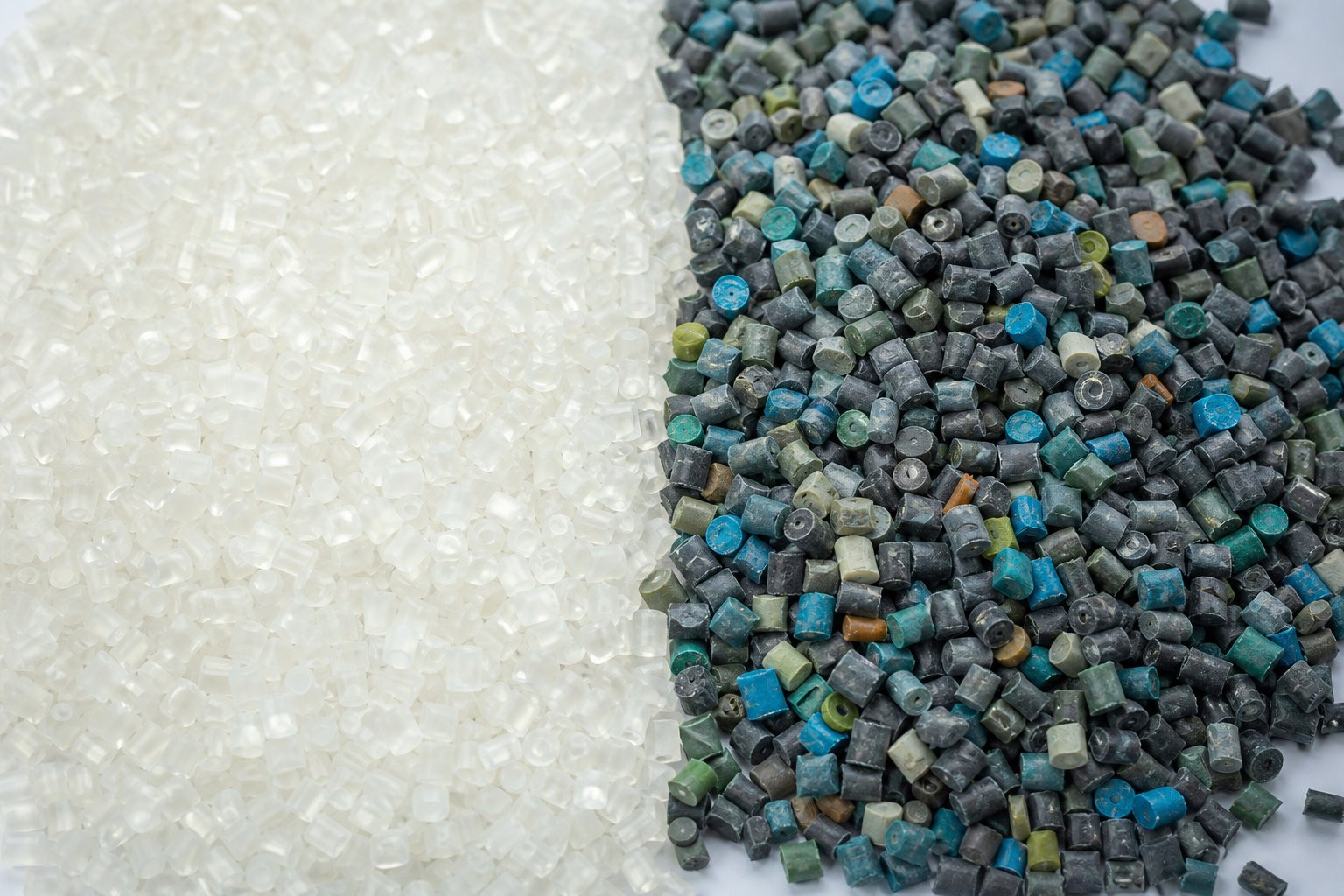
Each card opens its matching PVC Knowledge Center article when published. Until then, its link takes visitors to the Knowledge Center library.