Prime / Virgin EVA
Fresh EVA resin selected by manufacturer grade, datasheet and documented properties. Prime is not the same as near-virgin or recycled material.
Explore prime / virgin EVAEVA stands for Ethylene Vinyl Acetate. It is a thermoplastic resin valued for flexibility, elasticity, and impact absorption. EVA is used in footwear, foam products, flexible goods, and solar panel encapsulation, depending on grade and formulation.
Explore prime / virgin, off-grade, recycled and scrap / regrind EVA on separate supply-type pages. Match source, specification and form to your application, and confirm availability per enquiry.
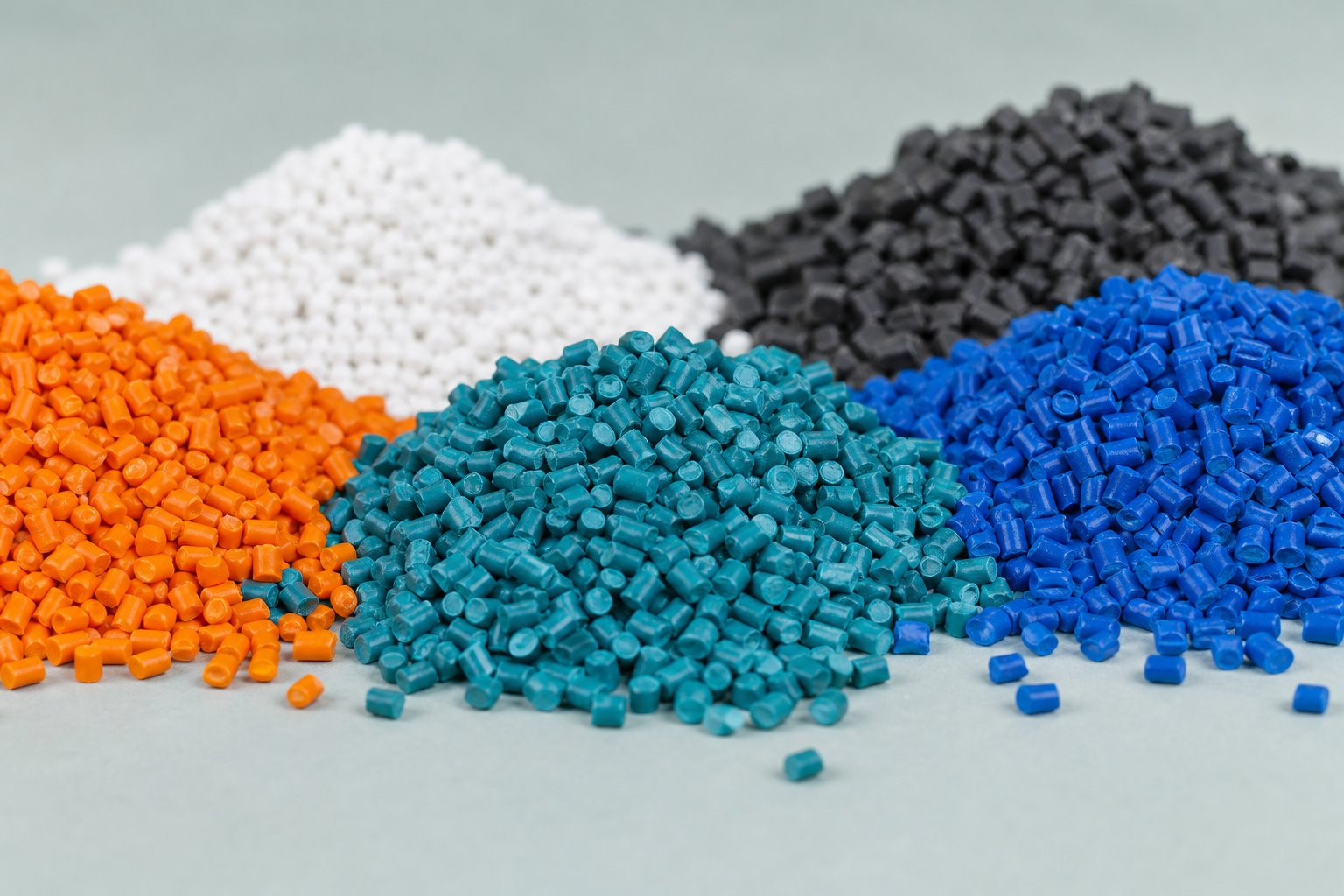
Choose a supply type to read its own material guide, selection checks and enquiry details. These links open separate pages.
Fresh EVA resin selected by manufacturer grade, datasheet and documented properties. Prime is not the same as near-virgin or recycled material.
Explore prime / virgin EVAEVA supplied outside its original prime specification or as a declared off-grade lot. Review the actual deviation and batch results before deciding suitability.
Explore off-grade EVARecovered EVA reprocessed for further use. Source, segregation and lot consistency matter as much as the polymer name.
Explore recycled EVASorted EVA scrap or mechanically reduced regrind for an agreed recovery or conversion process. Feedstock is not automatically equivalent to ready-to-use resin.
Explore scrap / regrind EVAEVA stands for Ethylene Vinyl Acetate. It is a thermoplastic resin commonly associated with elasticity, flexibility, and application-specific performance characteristics.
Material properties vary according to vinyl acetate content, formulation, processing requirements, and commercial grade specifications. Selection and performance evaluation should always be based on manufacturer documentation and the intended application.
What should I consider?Typical applications: footwear and solar encapsulation. Grade selection is application and specification dependent — verify manufacturer documentation before approval.
EVA properties can vary significantly between commercial grades. Selection should always be based on manufacturer documentation and technical specifications.
Use these prompts to describe the requirement. They are grade category examples, not a confirmed grade or stock list.
Typical uses: Footwear components and footwear-related products.
Specify:
End application, performance requirements, and manufacturer specification.
Typical uses: Flexible products and application-specific manufactured
products.
Specify: Flexibility requirements, processing requirements,
and grade specification.
Typical uses: Solar encapsulation systems.
Specify: Technical
requirements, project specifications, and manufacturer documentation.
Note: Grade suitability should always be verified against the manufacturer's
technical data.
Specify: Intended application, performance targets, and
documentation.
Tell us how the material will be converted and what the finished product needs to do.
EVA properties vary with vinyl acetate content, formulation, and processing requirements. Compare values only when test conditions and grade documentation are clear; a single data point is one input, not a complete performance measure.
EVA products can be organized according to manufacturer, grade, application, technical specification, form, packaging, origin, and availability. Verify every attribute before publication or purchase.
Identify the original manufacturer whenever available and use the exact manufacturer grade designation.
Specify the intended end-use application and confirm the required performance characteristics against technical documentation.
Document the commercial form supplied, packaging configuration where relevant, and state origin where applicable.
Product categories shown are organizational references only, not a confirmation of current inventory or availability.
Provide the available technical and commercial details so the product team can review your requirement efficiently. Share the manufacturer, grade, application, technical specification, form, packaging, destination, and any required documents.
Depending on grade and formulation, EVA may be used in applications including footwear, flexible products, and solar encapsulation. Suitability depends on the grade and application.
Used in selected footwear-related applications depending on grade requirements. Specify the component, performance targets, and manufacturer specification.
Associated with products requiring flexibility and elasticity. Share the application and grade or specification.
Certain EVA grades are used in solar encapsulation applications where grade suitability is confirmed against project specifications.
EVA may be specified in several manufacturing sectors. These industry contexts are illustrative and are not a verified customer list or market-footprint claim.
Discuss your applicationMaterial selection should always be based on the intended application and the technical specification of the individual grade. For an accurate material enquiry, provide:
Use the conversation to make the product brief clearer. Review topics below describe useful enquiry areas; confirm the services and documentation available for your specific request.
Start an EVA enquiryConfirm the specific manufacturer grade and designation.
Compare required properties against technical documentation.
Review suitability for the intended application.
Use current manufacturer data during evaluation.
No testing, engineering approval or certification service is implied. Specific support and documentation are confirmed case by case.
Send the manufacturer, grade or specification, application, quantity, and destination. Upload a technical datasheet where available.
Answers are general guidance. Verify the individual grade, source and documentation for each requirement.
EVA stands for Ethylene Vinyl Acetate.
EVA is commonly associated with elasticity and flexibility.
EVA is a thermoplastic resin.
Applications cited for EVA include footwear, flexible products, and solar encapsulation.
No. EVA properties can vary significantly depending on formulation and commercial grade.
Select the grade according to the intended application and the manufacturer's technical specification.
No. Individual grades should be evaluated using the manufacturer's technical documentation rather than a generic property description.
Performance characteristics may vary between grades, formulations, and intended applications.
No. Product scope, availability, grades, forms, and documentation should be verified separately.
No. This page should remain in draft form until business approval confirms commercial scope and product availability.
Explore practical guidance on EVA grades, processing, applications, material properties, and buyer selection. Use these resources to understand the technical and commercial information needed for a more accurate material enquiry.
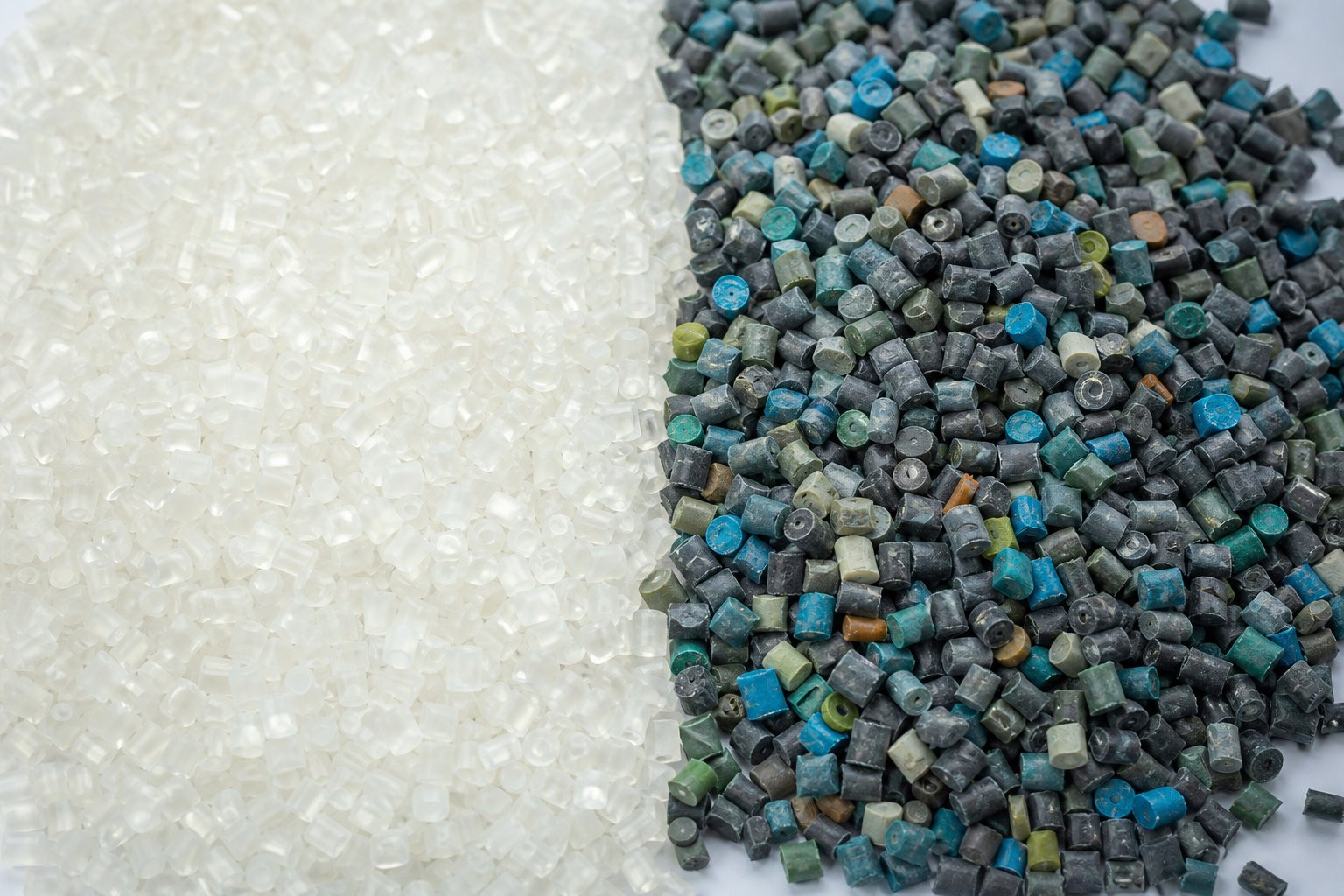
Each card opens its matching EVA Knowledge Center article when published. Until then, its link takes visitors to the Knowledge Center library.